2025-12-19 15:06:03
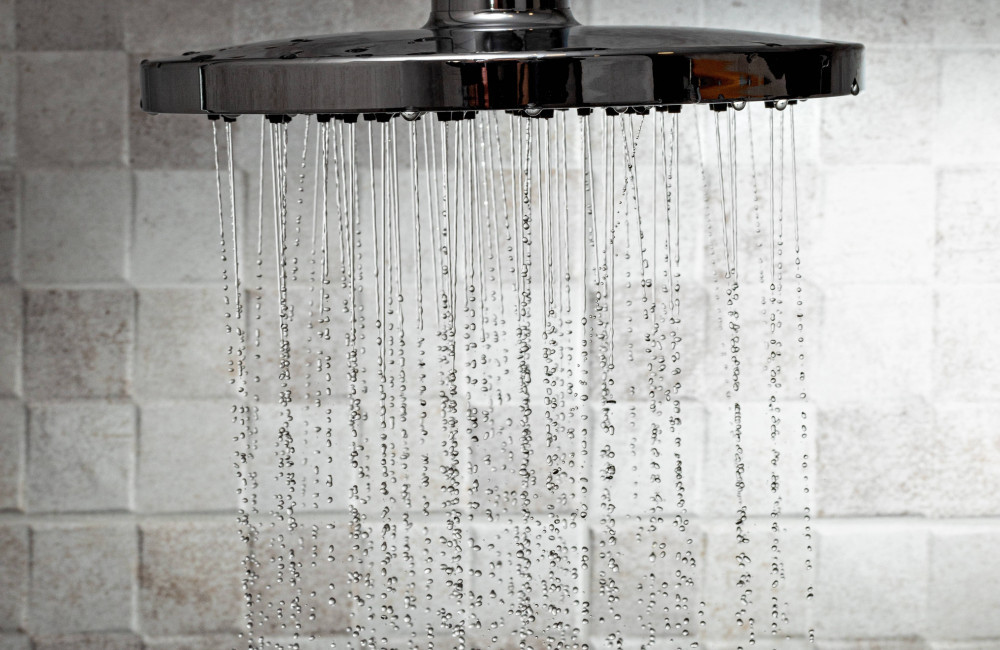
Taking a shower in the dark may help beat insomnia.
Sleep specialists say the low-light shower trend, which has gone viral on social media, may genuinely support better sleep when used as part of a calming bedtime routine.
While it is not a cure for chronic insomnia, experts believe it can help the body and brain prepare for rest.
Sleep scientists have long advised cutting caffeine, limiting screens before bed and sticking to consistent sleep times.
Now, dimly lit or dark showering is being added to the list of gentle, low-effort strategies that may improve sleep quality.
Dr. Allie Hare, a sleep medicine consultant at Royal Brompton Hospital, London, said warm showers before bed already have proven benefits.
She explained: “Studies have shown that taking a warm shower or bath before bed can help improve sleep quality and reduce time taken to fall asleep.
“This is likely to relate to the effect of the warm shower on reducing core body temperature, a key signal for sleep onset.”
Adding darkness may amplify the effect.
Dr. Hare added: “Taking a shower under dim light conditions may also help to signal to the body that it is time for sleep because dim light is a signal for the release of one of the key hormones for sleep, melatonin.
“This can help with winding down and switching off before bedtime.”
She noted that soft music can enhance relaxation, although many people find the sound of running water calming enough on its own.
Dr. Clare Rooms, clinical lead for insomnia at Boots Online Doctor, cautioned that the trend is not a standalone fix.
She said: “Showers in low light won’t solve severe or persistent sleep issues on their own, but they can be a helpful part of a relaxing pre-bed routine.”
Dark showering has long been promoted in wellness circles as a way to reset after the day, but it has recently gained popularity online.
Social media users describe it as a way to “reset the nervous system” and mentally detach from daily stress.
The interest comes amid widespread sleep problems. Around one in six Brits suffer from insomnia, yet most never seek help. Poor sleep has been linked to serious health risks, including heart disease, diabetes and stroke.
Visit Bang Bizarre (main website)