2026-01-12 15:26:34
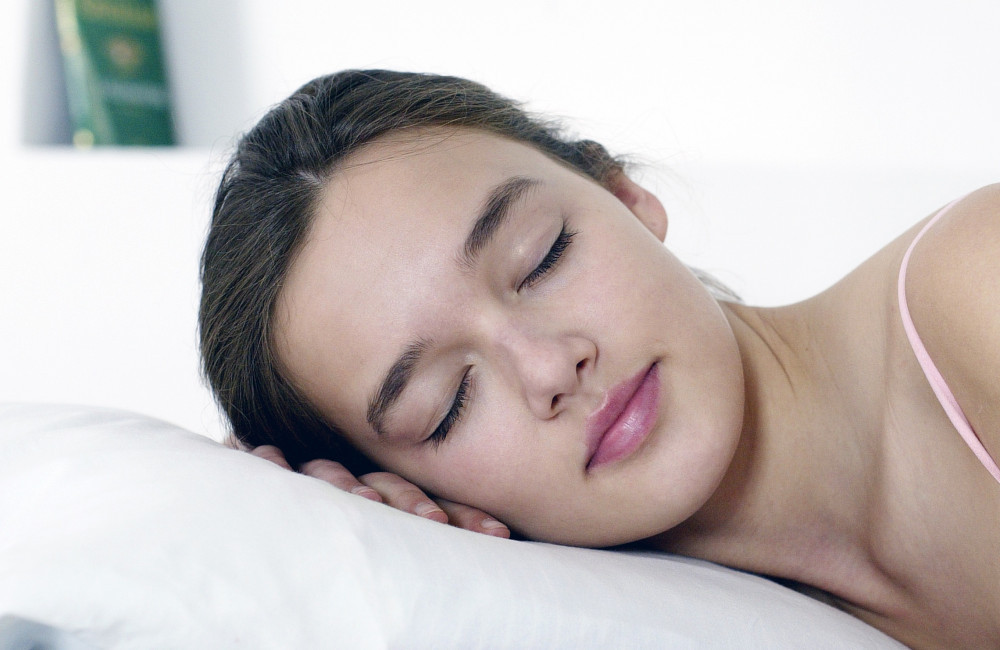
Sleeping around seven hours a night could significantly extend your life.
Researchers analysing data from health insurer Vitality and the London School of Economics found that people who sleep well are 24 per cent less likely to die prematurely.
The report suggests that consistent, healthy sleep routines could add between two and four years to life expectancy.
The findings were based on an enormous dataset tracking 47 million nights of sleep from people around the world. Despite the benefits, the study found that around 90 per cent of Britons have poor sleep habits, including irregular bedtimes, insufficient sleep, or restless nights caused by stress.
In the UK, 41 per cent of adults get less than seven hours’ sleep per night. Just 42 per cent manage the NHS-recommended seven to eight hours. Chronic sleep deprivation was linked to a higher risk of mental health problems and physical conditions such as heart disease, type 2 diabetes and cancer.
Dr. Katie Tryon, deputy CEO at Vitality, said the issue is often behavioural rather than medical
She explained: “For most people, the problem is not a disorder but routine.
“Getting to bed 15 minutes earlier every night, or picking up a book rather than watching one more episode can make a significant difference over time.”
The researchers calculated that ideal sleep habits — including sleeping for around seven hours and going to bed at the same time each night — could boost lifespan by up to four years. That compares with an estimated six-year gain from regular exercise and five years from maintaining a healthy weight.
The report warned that modern life is actively undermining rest.
The experts said: “The glow of screens keeps us awake by tricking the brain into thinking it is still daytime and suppressing the melatonin that normally heralds sleep.”
Experts recommend keeping consistent sleep and wake times, avoiding screens for at least an hour before bed, and following a calming evening routine such as reading.
Professor Joan Costa-i-Font, from the London School of Economics, said: “Sleep behaviours aren’t just about feeling rested. The potential impact on health and the economy is profound.”
Visit Bang Bizarre (main website)