2026-01-20 16:03:29
Medication taken by millions of women could significantly cut the risk of deadly stomach cancer.
This is according to a major new study that adds to growing evidence linking hormones to cancer development.
Researchers at the Karolinska Institute analysed health data spanning more than 25 years and found that women using hormone replacement therapy (HRT) were up to 30 per cent less likely to develop oesophageal or gastric cancer than non-users.
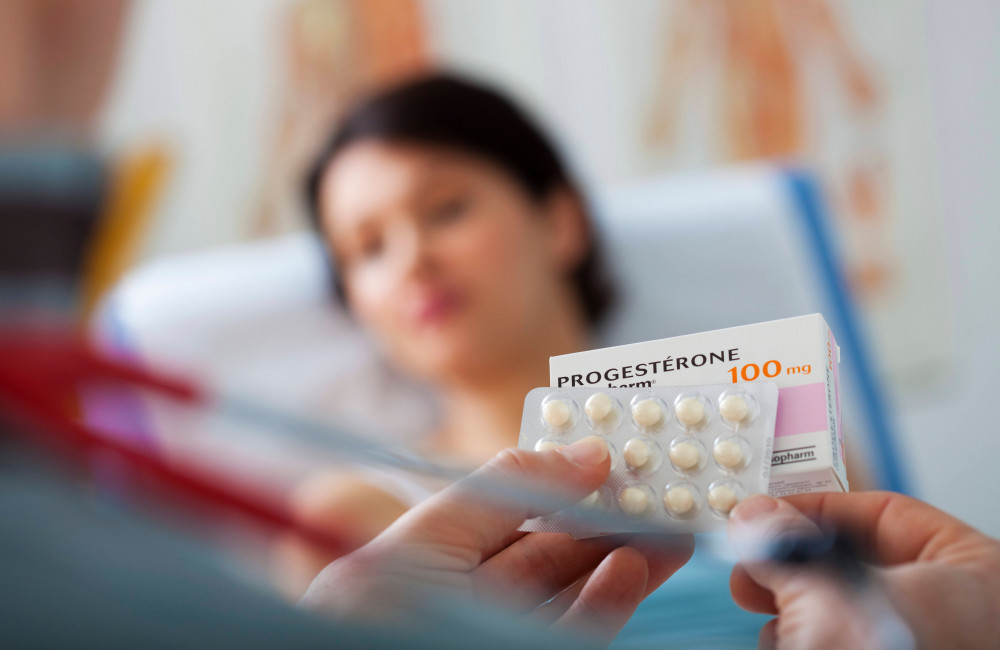
HRT is commonly prescribed to ease menopausal symptoms such as hot flushes, night sweats and mood changes by replacing falling levels of oestrogen and progesterone.
Around 2.6 million people in the UK were prescribed HRT on the NHS in 2023–24, following the introduction of a low-cost annual prescription scheme.
The large population-based study drew on prescription, cancer and population registry data from Denmark, Finland, Iceland, Norway and Sweden between 1994 and 2020.
Researchers compared more than 19,500 women diagnosed with oesophageal or gastric cancer with almost 200,000 age-matched controls.
Presenting the findings at United European Gastroenterology Week 2025, Victoria Wocalewski of the Karolinska Institute said: “This is one of the largest and most comprehensive studies to date supporting the hypothesis of an inverse association between HRT and risk of esophago-gastric cancer.”
The strongest protective effect was seen in women taking combined oestrogen–progestin therapy and those using systemic HRT, such as tablets, rather than topical gels or creams.
Higher doses were linked to greater risk reduction, particularly for oesophageal adenocarcinoma, the most common form of oesophageal cancer.
Prof Wocalewski said: “Our results reinforce the concept that oestrogenic signalling may influence tumour development in the upper gastrointestinal tract.
“Understanding these mechanisms could help identify at-risk populations and inform prevention strategies.”
Stomach cancer affects around 6,700 people in the UK each year, while oesophageal cancer accounts for roughly 9,400 cases. Both diseases are often diagnosed late and have poor survival rates.
Commenting on the findings for Medscape, Jan Bornschein of the University of Oxford said the results were “highly relevant,” adding: “We’ve seen for a long time a link between hormones and gastrointestinal disease, but the mechanisms are not well understood.2
Researchers stressed that HRT is not risk-free, with previous studies linking it to slightly higher risks of breast, womb and ovarian cancers.
They say further work is needed to balance benefits and risks – but the findings open the door to new ways of preventing some of the deadliest cancers in women.
Visit Bang Bizarre (main website)