2026-09-01 13:00:47
A big cat expert is convinced most sightings of wild beasts in the UK haven’t been reported because witnesses are worried they won’t be believed.
Rick Minter – who hosts the Big Cat Conversations podcast – revealed there are three types of big cat which are “consistently” sighted across Britain but he believes most people who see them don’t come forward.
In an article written for BBC Wildlife Magazine, he explained: “Of the 40 species of wild cat, these three are consistently described, year on year. But witnesses usually keep their heads down, keen to avoid a commotion or perhaps fearful of social ridicule.
“After all, if you claim to have seen a big cat in Britain, few people are likely to believe you.
“On five occasions now, perfect footage of encounters has been shown or described to me in detail, captured on phone cameras, trail cameras and CCTV.
“Yet not even offers of cash would persuade these informants to part with their evidence. Privacy, shooting rights and business status are simply too much to lose.”
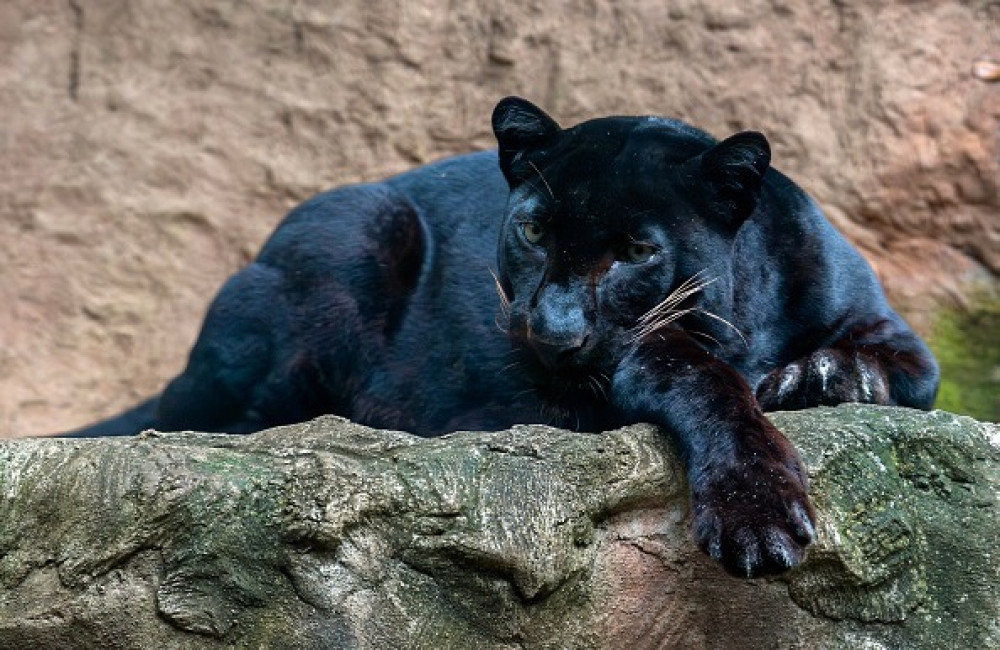
Rick went on to reveal the cats most frequently described are dark-coloured and resemble black leopards while there are also reports of tan-coloured cats which look like pumas – otherwise known as mountain lions – and some smaller beasts which are compared to the Eurasian lynx, which became extinct in the UK during medieval times due to hunting and loss of habitat.
Rick also explained how he wants to bring in a new classification system for big cat sightings to make it easier for investigators to hunt down clues which could prove the existence of big cats on the loose in the UK.
He added: “The idea that big cats are living in the UK might seem far-fetched, even romantic. It’s perfectly natural to react with scepticism.
“Though any serious investigator will carefully scrutinise each report, analysis is currently uneven, and I am advocating for a consistent classification system to be used by all investigators.
“The system that currently exists, and that I use, ranks sightings from A+ (‘Definitive Close Encounter’) to E (‘Uncertain’), taking into account factors such as scale, behaviour and form. Only two per cent of British big cat encounters fall into the A+ category.”
Rick concluded: “Whether you are a believer or a sceptic, the topic of big cats in Britain is steadily growing in interest, and there are more snippets of hard evidence.
“British universities are supporting studies, and some wildlife specialists are cautiously helping investigation efforts. With concerted effort, maybe more discoveries await.”
Visit Bang Bizarre (main website)