2026-10-16 09:03:17
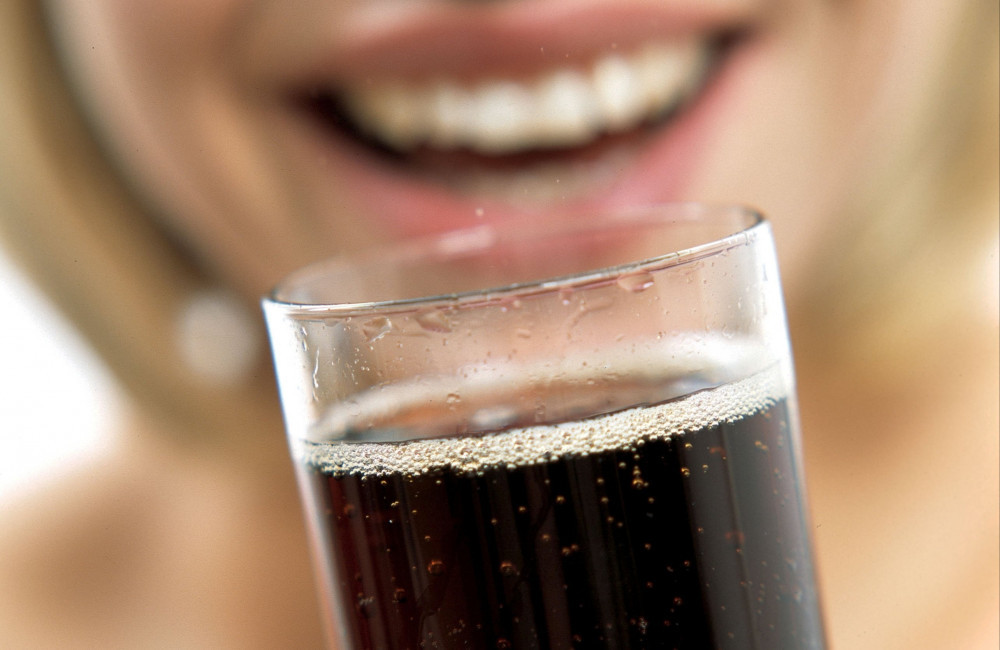
Children who drink just a couple of cans of caffeinated soft drinks a week could be putting their mental health at risk, a study suggests.
Researchers found youngsters consuming as little as 90mg of caffeine a week, roughly the amount in a cup of coffee, were more likely to experience emotional and behavioural difficulties 18 months later.
The study, led by scientists at King’s College London, analysed existing data on more than 9,600 children aged nine to 11.
Researchers examined how often the youngsters consumed caffeinated drinks including tea, coffee and soft drinks, then compared this with reports of their emotional and behavioural health six and 18 months later.
Brain scans also revealed subtle differences in several areas involved in learning, reasoning, memory and problem-solving.
Higher caffeine consumption was linked with smaller surface areas across several brain regions, with differences appearing among children who drank just one caffeinated beverage a week.
Those consuming more caffeine also tended to sleep less, while being more likely to show signs of anxiety and depression.
Professor Divyangana Rakesh, a neuroscientist and the study’s lead author, said: “Caffeine is such a normal part of daily life that it’s easy to forget young people are consuming it too.”
She added: “We found that even fairly low levels of caffeine were linked to small differences in brain structure and later mental health, and lower sleep duration seems to be an important underlying link.
“And yet, it is completely unregulated.”
However, the scientists stressed that the research does not prove caffeine causes mental health problems or changes in the brain.
Jiayi Zheng, the study’s first author, said: “Soft drinks also often go hand in hand with less healthy lifestyle habits and more risk-taking behaviours, so we can’t yet separate the role of caffeine from everything else that comes with them.”
Dr Charalampos Rallis, a genetics expert at Queen Mary University of London, said the brain differences were “very small” and that the association with later mental health was “negligible”.
He said: “The most robust conclusion is consistent with existing evidence: caffeine can reduce sleep in children.”
From April 2027, under-16s will be banned from buying energy drinks containing more than 150mg of caffeine per litre.
But lower-caffeine drinks such as Coca-Cola, Pepsi and Dr Pepper will not be covered by the proposed restrictions.
Visit Bang Bizarre (main website)