2026-10-21 11:03:16
Giving farm animals names and personalities could make children think twice before eating them, scientists have found.
Researchers from SWPS University in Poland discovered that preschoolers were less likely to choose chicken after being introduced to a named bird with its own personality, habits and favourite foods.
The findings suggest that turning a faceless farm animal into an individual can make children see it as a creature worthy of protection.
Author Aleksandra Rabinovitch said: “A key finding of the experiment concerns the role of an animal’s uniqueness.
“Presenting a chicken as an individual with its own name and truly distinctive traits was more effective at discouraging the choice of poultry meat than presenting a chicken that had a name but was otherwise similar to other chickens.”
She added: “This implies that giving an animal a name helps a child view it as a being worthy of protection, provided that the name serves to distinguish the animal as unique.
“This sense of uniqueness encourages children to extend their concern to other, anonymous members of the same species.”
The team carried out two experiments involving five and six-year-olds.
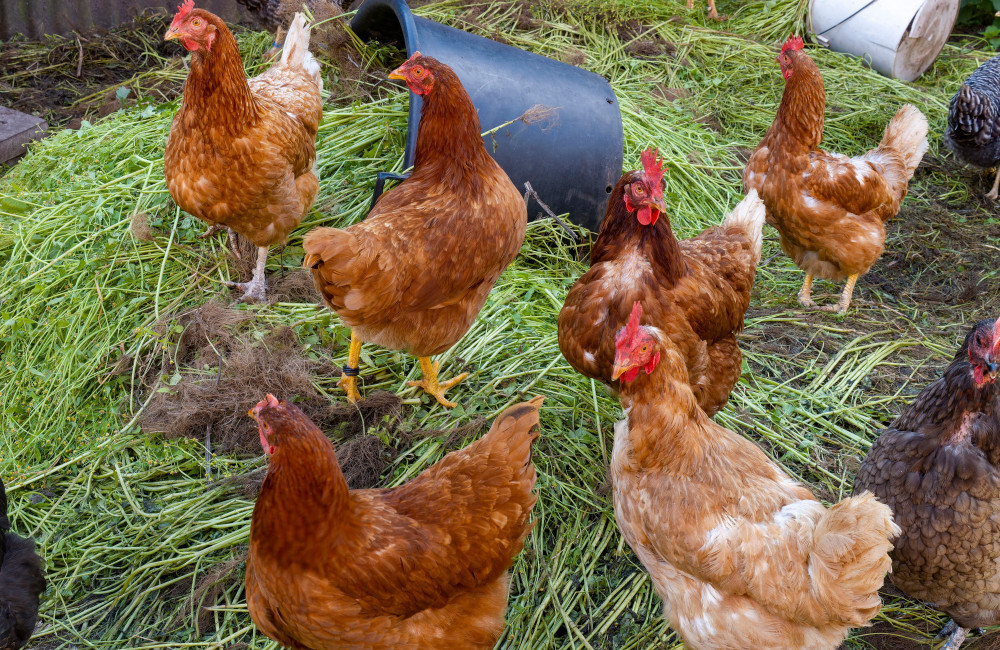
In one, youngsters were introduced to a chicken called Lelek, who was described as enjoying grains, running around the yard, basking in the sun and pecking grass.
They were then invited to make toy sandwiches using ingredients including chicken and pork cold cuts, cheese and tomato.
Children who learned about the named chicken chose fewer slices of poultry and were more reluctant to eat it.
A second experiment compared a distinctive chicken called Chico with a generic chicken described as one of many similar birds.
Again, children introduced to the unique animal were less likely to choose poultry.
However, the effect was not enough to make them reject meat altogether.
The youngsters were no less willing to choose pork, while children who already loved meat were largely unmoved.
The researchers wrote in the journal Appetite: “Overall, the findings suggest that although animal identifiability can reduce children’s intentions to consume meat, its impact is moderated by pre-existing food preferences.”
The scientists said the approach could potentially encourage children towards plant-based foods, which they argued could benefit both health and the environment.
So perhaps parents should think twice before introducing dinner as Peppa the pig, Clara the cow or Larry the lamb.
That family roast could suddenly become rather awkward.
Visit Bang Bizarre (main website)