2026-03-09 12:02:00
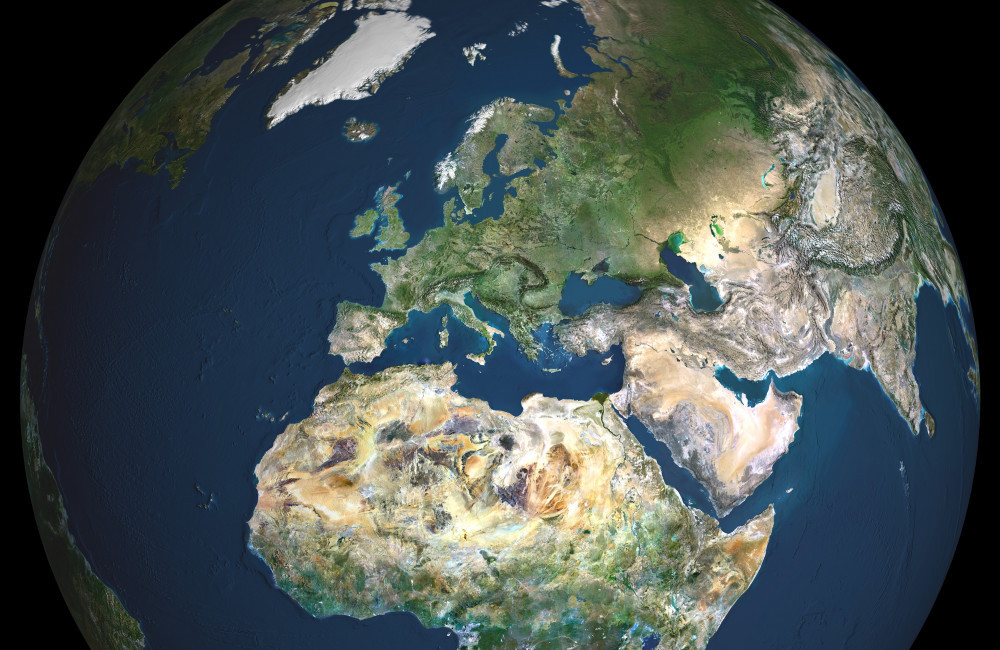
A third of people believe the world will end in their lifetime, according to a new study.
Scientific research led by Dr Matthew Billet has found that one in three people are worried about an impending apocalypse, with over 3,400 people surveyed in the United States and Canada.
Of those surveyed, there were 1,409 people who admitted they think the world will end before they die.
As quoted by the Daily Mirror newspaper, Dr Billet – the lead author of the study – said: “Belief in the end of the world is surprisingly common.
“It’s significantly influencing how people interpret and respond to the most pressing threats facing humanity.”
The findings have been published in the Journal of Personality and Social Psychology, and reveal there are a few different ways people think about the end of the world.
These range from wondering when it could happen, who or what will cause it, and whether it’s actually a good thing after all.
Dr Billet and his team settled on five key dimensions, including “perceived closeness”, “anthropogenic causality” (whether or not humans will be to blame), “theogenic causality” (divine or supernatural forces), “personal control” (whether people can influence the outcome), and “emotional valence”, which refers to whether or not the end is good or bad.
Billet added: “Different narratives people believe about the end of the world can lead to very different responses to societal issues.
“Someone who believes humans are causing the apocalypse through climate change will respond very differently to environmental policy than someone who believes the end times are controlled by divine prophecy.”
While “everyone agrees” that humans will “play an important role in the fate of our species” whether thy are religious or not, there are “quite stark” differences between religious denominations”.
He said: “These differences point to how religion – and culture more broadly – can shape how we fundamentally view the world and our collective future.”
Billet insisted it’s “essential” to understand people’s beliefs about the end of the world, and focus on “understanding” the issue as a whole.
He explained: “Whether or not any particular apocalyptic narrative is accurate, they are still consequential for how populations confront concrete risks.
“If we want to build consensus around addressing climate change, AI safety or pandemic preparedness, we need to understand how different communities are interpreting these threats through their own cultural lenses.
“In a world facing genuine catastrophic risks, that understanding has never been more important.”
Visit Bang Bizarre (main website)