2026-07-21 12:28:37
A meteorite that smashed through the roof of a New Jersey home may contain the chemical ingredients needed to kickstart alien life, scientists have revealed.
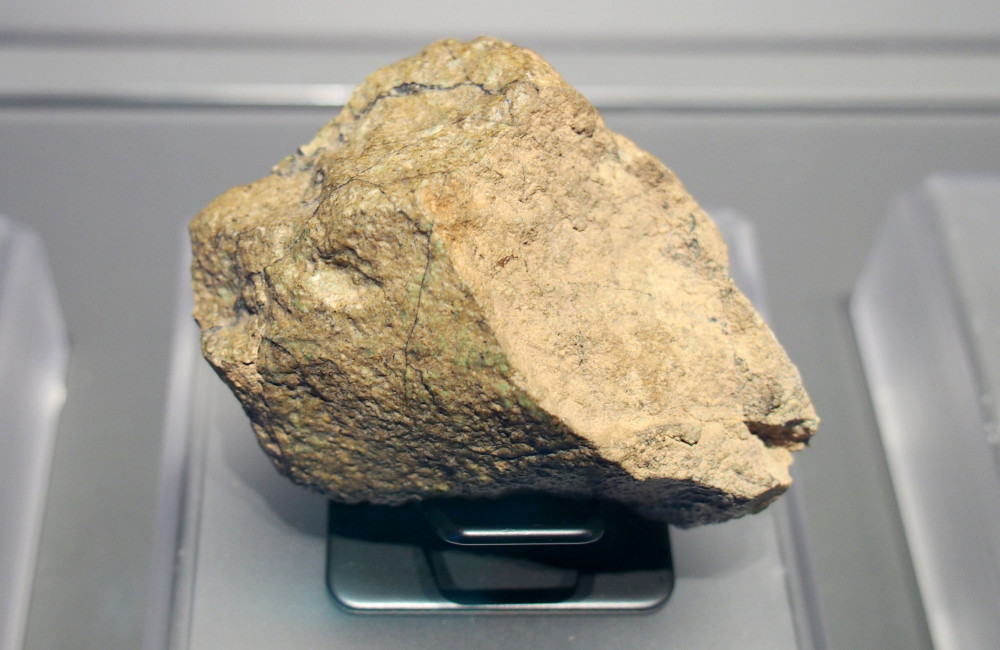
The rare space rock, dubbed Hillsborough, crashed into a bedroom after blazing through Earth’s atmosphere at 32,000mph in July 2024, following a sonic boom heard across New York City.
Now researchers say the pristine meteorite contains evidence of “salty fluids” that could have helped create molecules essential for life.
Lead author Peter Jenniskens, a meteor astronomer at NASA’s Ames Research Center, said: “A forensic study of the fragments revealed that they contained preserved bits from near the surface of a small primitive asteroid where it experienced concentrated salty fluids – a process not previously known from this type of proto-planet world.
“Thanks to the homeowner’s quick reaction, these are the most pristine CM1/2 meteorites we know of.”
CM1/2 meteorites are among the rarest and most primitive space rocks ever discovered, acting as time capsules from the birth of the solar system.
The Hillsborough specimen is only the second witnessed CM1/2 meteorite fall ever recorded, and the first recovered in such exceptional condition.
After the 9kg rock smashed through his ceiling, the homeowner carefully collected the fragments using disposable gloves and aluminium foil before sealing them inside glass jars.
He said: “I was at home at the time, heard a loud crash, and found a hole in the ceiling of the master bedroom.
“I smelled a strong sulfur-like odour and saw many black fragments along with debris and black dust that covered my bed, carpet, and surrounding areas.”
Scientists say the meteorite contains carbon-bearing compounds, amino acids and other prebiotic molecules that may help explain how the ingredients for life first reached Earth billions of years ago.
Researchers believe the object originated from a primitive asteroid orbiting between Mars and Jupiter.
Some fragments will now be preserved at the American Museum of Natural History in New York.
Curator Denton Ebel said: “We are thrilled that nature delivered such a precious asteroid sample on our doorstep.”
The discovery comes as NASA’s Mars missions continue uncovering ancient organic molecules on the Red Planet, raising fresh hopes that the chemical foundations of life may be more common across the solar system than previously believed.
Visit Bang Bizarre (main website)