2026-03-27 17:01:51
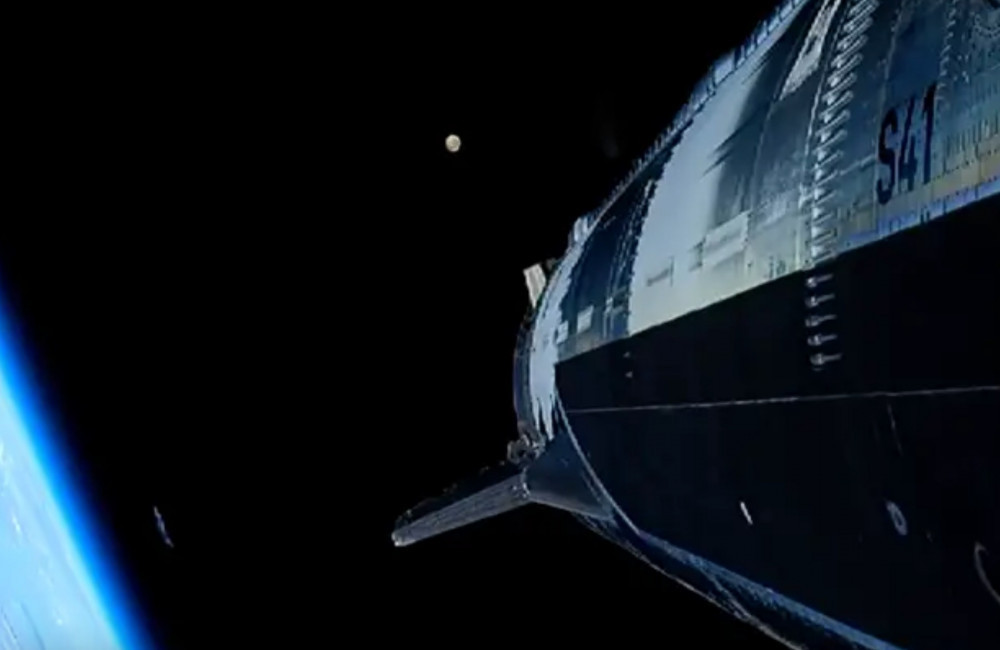
Scientists say colonisation in outer space is at risk as human sperm becomes disoriented in microgravity.
Raising questions about the feasibility of conceiving children beyond Earth, a study conducted at the University of Adelaide and published in Communications Biology examined how sperm from multiple mammalian species behaved in simulated zero-gravity conditions.
Researchers used rotating laboratory equipment to mimic weightlessness, observing how sperm navigated a maze designed to replicate the female reproductive tract.
The findings showed significantly fewer sperm were able to successfully complete the course in microgravity compared with normal Earth conditions, despite their swimming ability remaining unchanged.
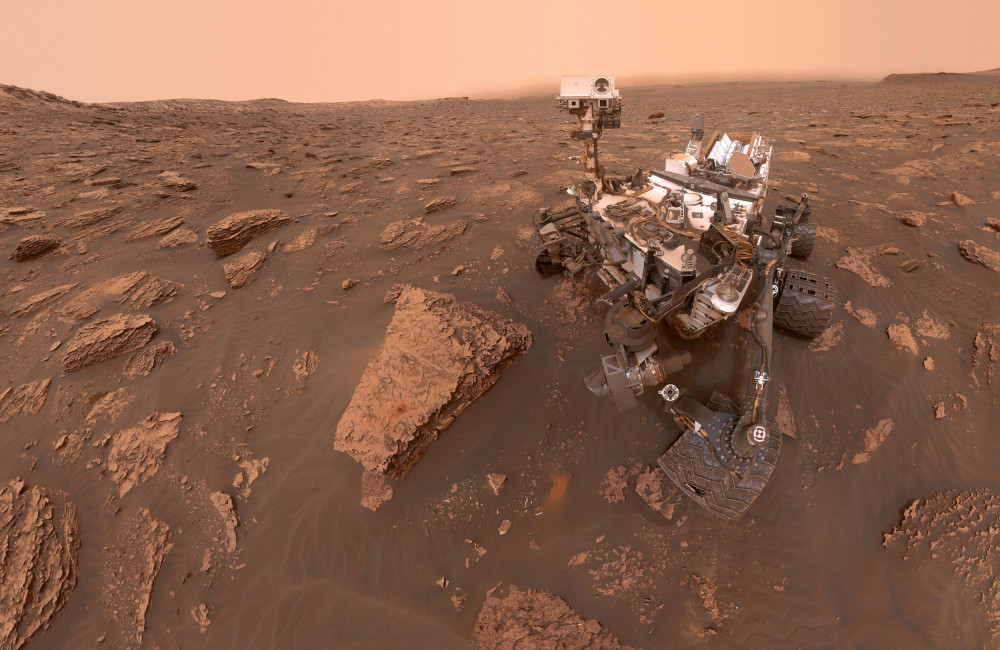
The research has implications for long-term space colonisation plans, including ambitions outlined by Elon Musk to populate Mars.
Speaking about the findings, study lead Dr Nicole McPherson said: “This is the first time we have been able to show that gravity is an important factor in sperm’s ability to navigate through a channel like the reproductive tract.”
She added: “We observed a significant reduction in the number of sperm that were able to successfully find their way through the chamber maze in microgravity conditions compared to normal gravity.”
Dr McPherson continued: “This was experienced right across all models, despite no changes to the way sperm physically move. This indicates that their loss of direction was not due to a change in motility but other elements.”
The research also identified a potential mitigating factor.
Scientists found introducing progesterone – a hormone released by eggs that helps guide sperm – improved their navigation in microgravity, suggesting chemical signals may still assist fertilisation even when gravity is absent.
But the team said further research is required to determine how effective this mechanism would be in real space environments.
The project involved collaboration with the Andy Thomas Centre for Space Resources, where scientists are exploring the practical challenges of sustaining human life beyond Earth.
Associate Professor John Culton said: “As we progress toward becoming a spacefaring or multi-planetary species, understanding how microgravity affects the earliest stages of reproduction is critical.”
Additional findings from related studies indicate reproduction in space faces multiple obstacles. Experiments involving animal fertilisation in simulated microgravity showed a significant decline in successful outcomes, with mouse eggs experiencing reduced fertilisation rates after short exposure periods.
Extended exposure led to developmental issues and reduced cell growth in embryos, although some healthy embryos were still observed.
Researchers also highlighted broader environmental risks associated with space habitation, including radiation exposure, which can damage DNA and increase cancer risk, as well as microgravity’s impact on hormones and embryonic development.
Other factors – such as hazardous dust, contamination within spacecraft, limited resources and psychological stress – were identified as additional challenges for maternal and foetal health.
Visit Bang Bizarre (main website)