2026-05-11 15:55:57
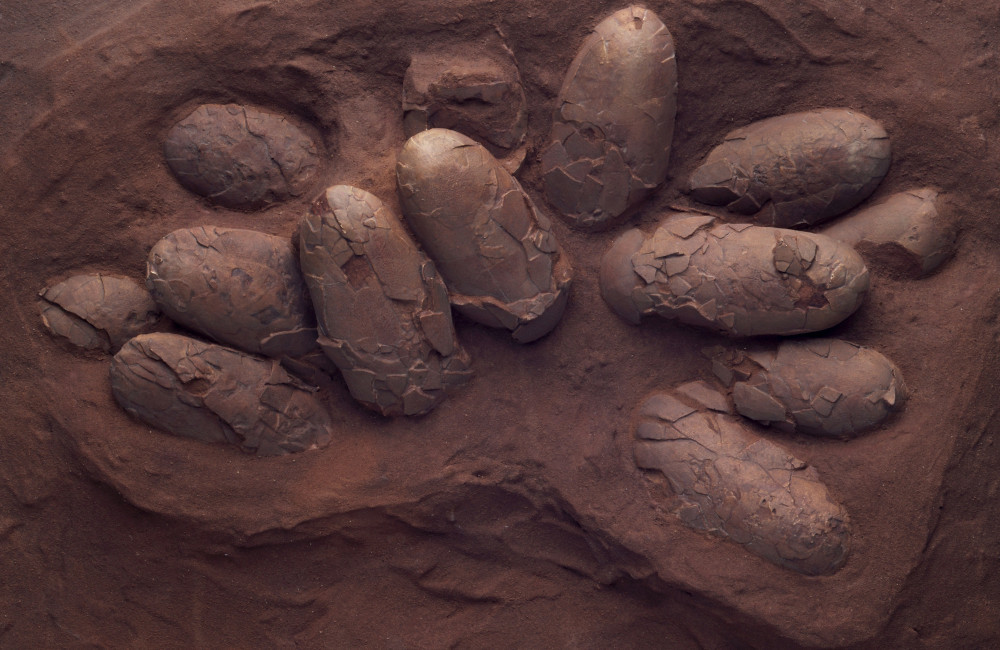
A remarkable prehistoric discovery has hatched in the south of France after a palaeontologist uncovered around 100 fossilised dinosaur eggs believed to be roughly 72 million years old.
The incredible find was made by Alain Cabot, owner of the Musée Parc des Dinosaures, on land surrounding his dinosaur museum, and experts believe the eggs may have belonged to titanosaurs, enormous long-necked herbivores that once roamed Europe during the late Cretaceous period.
The fossilised eggs, each around the size of a small melon, are thought to date back to a time when southern France formed part of a vast island landmass connected with modern-day Spain and Portugal. Scientists believe titanosaurs repeatedly returned to the same nesting grounds year after year, much like modern birds and turtles, creating huge clusters of eggs over generations.
Cabot described the discovery as “extraordinary”, insisting the site could take decades, if not centuries, to fully explore.
He told The Times newspaper: “It’s an extraordinary deposit and it will take generations of palaeontologists to study it.”
The palaeontologist also suggested the region may contain one of the largest dinosaur egg deposits ever discovered.
“There are millions of eggs in southern France. I think it could be the biggest deposit in the world,” he added.
Southern France has become famous among fossil experts for its abundance of dinosaur egg discoveries, particularly around the Aix-en-Provence region, which has jokingly earned the nickname “eggs-en-Provence” among researchers. In recent years, around 1,000 eggs have reportedly been uncovered there, helping scientists piece together how dinosaurs reproduced and migrated millions of years ago.
Titanosaurs are among the largest animals ever to walk the Earth. Some species are believed to have stretched up to 15 metres in length and weighed as much as 20 tonnes. Despite their gigantic size, their eggs were relatively modest, with scientists believing larger eggs may have struggled to incubate properly due to heat and pressure.
Unlike some fossil discoveries that end up in private collections, Cabot has vowed the eggs will remain where they were found and become part of the museum experience for visitors.
He said the fossils “deserve to be seen by the public” rather than being dug up and sold.
France has long been one of Europe’s richest dinosaur fossil hotspots. Numerous titanosaur remains, footprints and nesting grounds have been discovered across the country over the past several decades, offering rare insight into the final age of dinosaurs before the mass extinction event that wiped them out around 66 million years ago.
For now, the newly discovered eggs will stay safely buried underground, preserving a unique snapshot of prehistoric life that scientists are only just beginning to understand.
Visit Bang Bizarre (main website)