2026-04-27 11:02:36
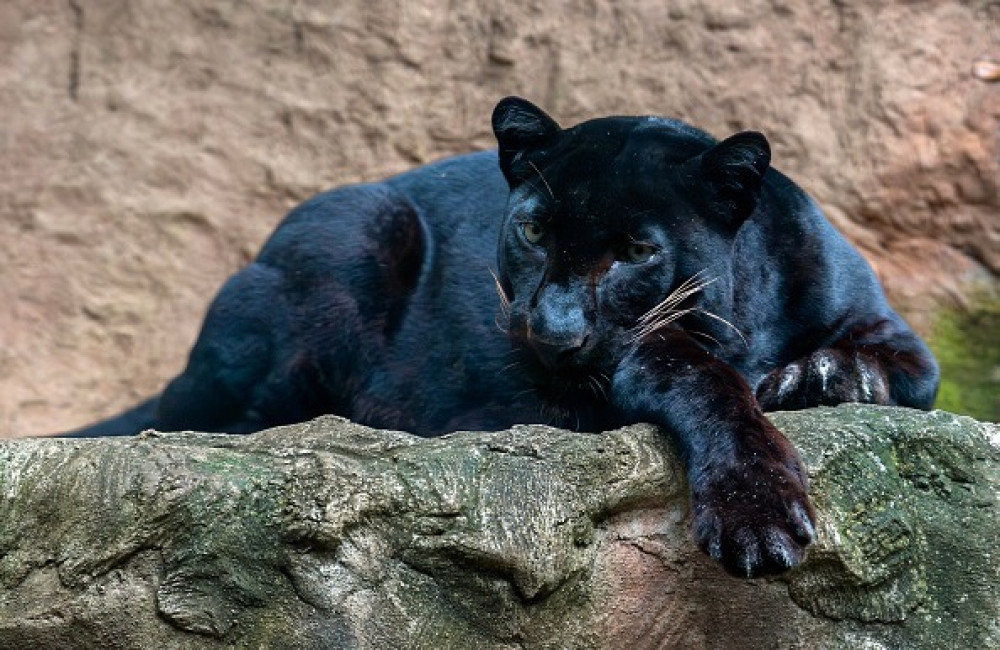
A town in the Scottish Highlands is reportedly being stalked by a wild panther.
Grantown-on-Spey has become the epicentre of a new big cat mystery after John Kirk caught a glimpse of a large black beast as he was driving into the town with his wife on April 17 and he went public with his claim by posting a report on Facebook – and he’s since been overwhelmed with responses from other concerned residents who also claim to have seen a big cat on the loose.
John told the BBC: “We were going to pick up the grandchildren from a friend’s house. We came off the roundabout, heading into Grantown, just coming up to the cemetery. And something flashed across the road at a great rate of knots.
“And I thought: ‘That’s a cat’. I turned to my wife and I said: ‘Did you see something there?’ She said: ‘Yeah but that was no deer. It was like a cat.’
“It was bigger than my collie. It would have been sitting about two feet high, long tail. It was definitely a cat.”
John went on to reveal he was amazed by the responses he received after going public with his sighting.
He said: “I put it on Facebook just to see what sort of crack would be with it and to see if anybody else had seen it.
“And the response has been absolutely unbelievable. The amount of folk that have seen it around the town, and I know folk personally who have seen it.”
John went on to admit it isn’t the first time he’s seen a big cat in the area – explaining he experienced a similar sighting around 25 years ago when he saw another large black cat crossing a road.
He said: “I seen one about 25 years ago. It was on the road, and it was a panther. It was a black panther crossing the road in front of me.”
Paul Macdonald, who founded the Scottish Big Cat Research Team in 2017 to investigate sightings after seeing a big cat himself back in the 1980s.
He claims the group has mapped 1,800 sightings dating back as far as 1947 and he told the BBC the rumours of big cats on the loose in the UK can be traced back many decades explaining a high point came in the mid-1970s following the introduction of the Dangerous Wild Animals Act which banned anyone from owning big cats without a proper licence and prompted many owners to release their animals to prevent them from being euthanised.
Paul explained: “Some of the older origin stories go back to 19th Century, relating to private menageries and collections of exotic species. That never fully went away when it came to large estates and those that had the money and means.
“But there was a flashpoint for this activity throughout the whole UK, in 1976, and that was the introduction of the Dangerous Wild Animals Act …
“The act only offered owners two options. Either buy the licence and then have your animal kept within a minimum size enclosure, and obviously there’s significant cost with that.
“Or bring your animal in and have it put down. So many took a third option of taking them somewhere green enough and releasing them.”
Visit Bang Bizarre (main website)