2026-05-18 14:31:32
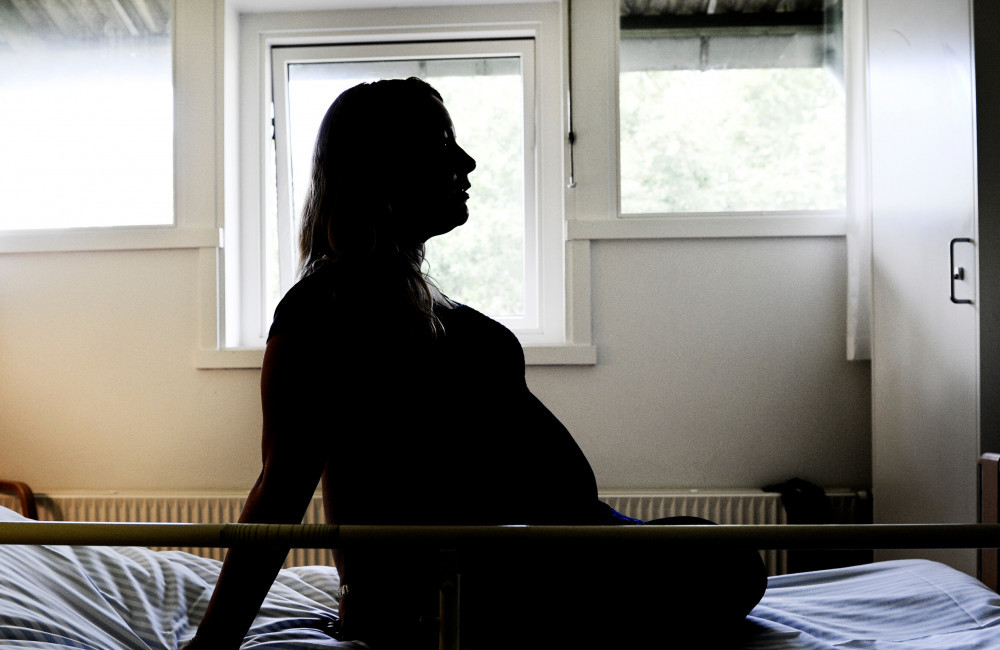
Parents battling fussy eaters could soon have a surprising new trick up their sleeve, scientists say: feeding vegetables to unborn babies.
Researchers found children exposed to vegetable flavours in the womb were still showing a preference for those same foods years later.
The study, led by Durham University, saw pregnant women given capsules containing either kale powder or carrot powder during late pregnancy.
Scientists then monitored the reactions of their babies before birth using ultrasound scans, again at three weeks old and finally at the age of three.
The results were striking.
Children exposed to carrot flavours reacted positively to the smell of carrot but grimaced at kale. Meanwhile, youngsters exposed to kale appeared happy smelling kale but not carrot.
The study’s lead author, Professor Nadja Reissland, said: “What we see over time is that the children are still more favourable to vegetables they were exposed to while they were in the womb.
“From this we can suggest that being exposed to a particular flavour in late pregnancy can result in long-lasting flavour or odour memory in children, potentially shaping their food preferences years after birth.”
Researchers originally tried using vegetable juices during the experiment but quickly ran into trouble.
Professor Reissland laughed: “Some of them said absolutely not.
“They were choking, couldn’t do it. I mean, it was all really good juice, very expensive.”
The research team believes the findings could one day help tackle unhealthy eating habits from the very beginning of life.
Professor Reissland added: “A consequence would be that you have a healthier population.”
Study co-author Dr Beyza Ustun-Elayan, of the University of Cambridge, added: “These findings open up new ways of thinking about early dietary interventions, suggesting that flavours from the maternal diet during pregnancy may quietly shape children’s responses to foods years later.”
A second co-author, Dr Benoist Schaal, added: “This study confirms that human foetuses can sense the flavours of foods that pregnant mothers eat, which might affect what they will like for years after birth.”
Researchers conceded that the study was small and said much larger trials are now needed.
Visit Bang Bizarre (main website)