2026-04-21 13:00:09
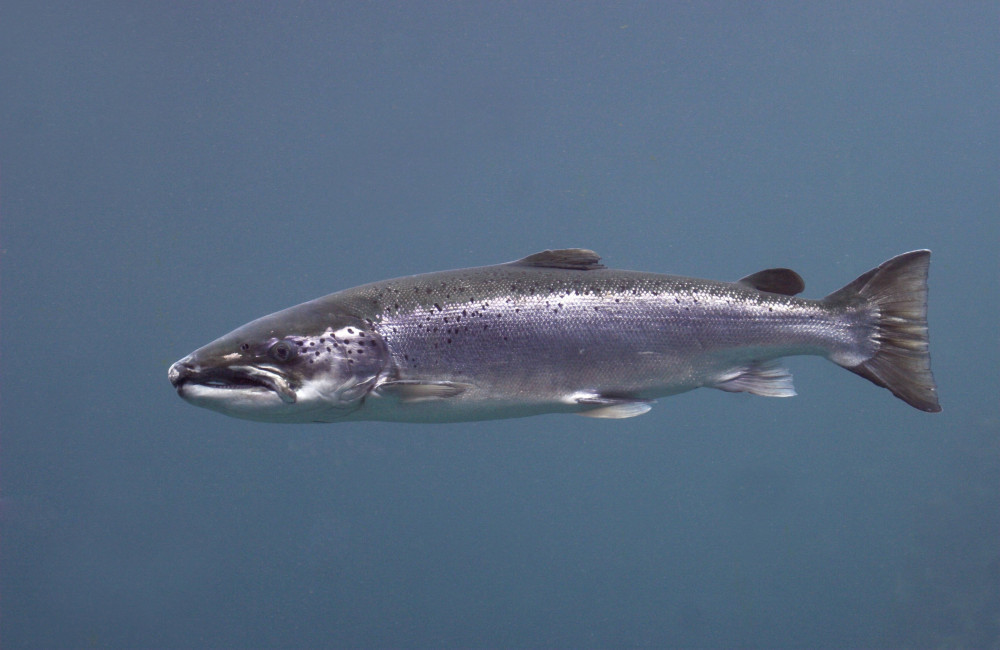
Salmon exposed to cocaine are swimming significantly farther than their drug-free counterparts, scientists have revealed.
In a new study, researchers found the illicit drug – increasingly detected in rivers and lakes – can dramatically alter how fish behave in the wild.
The experiment tracked 105 juvenile Atlantic salmon over eight weeks in Sweden’s Lake Vattern.
Some fish were exposed to cocaine, others to benzoylecgonine – the chemical cocaine breaks down into – while a control group remained drug-free.
Fish exposed to benzoylecgonine swam up to 1.9 times farther per week and travelled distances of up to 7.6 miles more than unaffected salmon.
Scientists say the changes became more pronounced over time, suggesting the drug is altering how fish interact with their environment.
Study co-author Dr Marcus Michelangeli of Griffith University’s Australian Rivers Institute, said: “Where fish go determines what they eat, what eats them, and how populations are structured.
“If pollution is changing these patterns, it has the potential to affect ecosystems in ways we are only beginning to understand.”
The study is the first to examine the effects of cocaine contamination on fish in natural conditions rather than in a laboratory.
Surprisingly, the byproduct benzoylecgonine had an even stronger impact on movement than cocaine itself.
Researchers say traces of the drug are entering waterways through human waste after consumption.
Dr Michelangeli added: “The idea of cocaine affecting fish might seem surprising, but the reality is wildlife is already being exposed to a wide range of human-derived drugs every day.”
Despite the unusual findings, experts stressed there is no risk to people eating fish.
The research comes as England records some of the highest cocaine use levels globally, with wastewater analysis estimating 132,000kg consumed in a single year.
Scientists warn the hidden impact of drug pollution on wildlife may only just be surfacing.
Visit Bang Bizarre (main website)